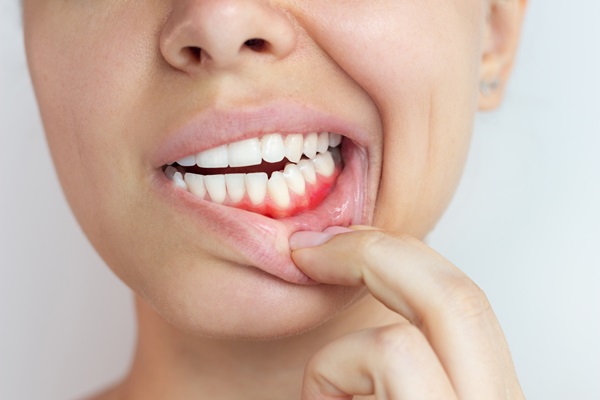
Gum disease and other oral issues are preventable with good dental hygiene. Gum disease, also known as periodontal disease, may affect both children and adults; however, if left untreated, it can worsen rapidly and cause considerable pain as well as secondary infections. Scaling and root planing are recommended for treating mild to moderate cases of gum disease and can help restore oral health and avoid infection in the future. Patients who are planning to undergo these procedures may feel more at ease knowing what to expect before their visit.
The causes of gum disease
A bacterial film may form around the gum line, resulting from the debris of meals and drinks. This is plaque, a sticky material. Without regular and thorough brushing and flossing, plaque may solidify and develop into tartar, which can cause gum inflammation. Gingivitis is the result of this inflammation. Patients with gingivitis may notice symptoms like bleeding gums, sensitive gums, gingival color changes, and gum recession.
Scaling and root planing
Scaling and root planing can be done to remove stubborn tartar, prevent infection and restore the patient's overall dental health. The dentist usually recommends it for those with persistent or moderate gingivitis. This procedure is frequently more involved and time-consuming than a basic cleaning. Additional information may be provided to patients at the first session.
The dentist will numb the region with a local anesthetic during the procedure to lessen pain before scraping hard tartar away using scraping instruments. Pockets between the teeth and gums, which may occur as gingivitis progresses to periodontitis, may need special treatment. Tartar formation often worsens as food particles get stuck in these pockets. Hardened tartar may be removed using pressurized water and ultrasonic equipment. Root planing may be done at the same time as the cleaning.
Root planing
Gum disease may cause a tooth's root to detach from the gums, creating space where bacteria and food particles can accumulate. Regular brushing and flossing may not be able to reach these gaps, which may lead to tooth loss. Root planing is a procedure that a dentist might use to try to reverse this process. Plaque and tartar are scraped and smoothed away during this operation, which may help to ward off infection. Smoothening the affected roots prevents bacteria from accumulating on those surfaces, thus initiating the healing process.
Follow-up care
Patients may suffer discomfort or soreness at the treated region since both scaling and root planing are deep-cleaning procedures. To keep the region clean, dentists usually prescribe brushing and flossing on a regular basis. A few weeks after scaling and planing, a follow-up appointment may be arranged to confirm that periodontal pockets are healing properly.
In conclusion
If left untreated, gingivitis may develop into severe gum disease. Scaling and root planing may help reduce inflammation, bleeding, and tooth loss, which is common in the latter stages of the condition. If you are experiencing some of the symptoms of gum disease, you need to book an appointment with the dentist as soon as you can to prevent the condition from worsening. Do not forget, gum disease is the leading cause of adult tooth loss and may contribute to other oral health issues.
Request an appointment here: https://www.adlongdental.com or call Adlong Dental at (501) 406-0782 for an appointment in our Conway office.
Check out what others are saying about our dental services on Yelp: Gum Disease in Conway, AR.
Related Posts
Gum disease affects more than half of all adults in the United States, according to the International Journal of Health Sciences, and there are different forms of the condition. Gum disease is prevalent and one of the major causes of tooth loss. Therefore, it helps to understand the various stages of gum disease and its…
Gum disease is not something that anyone wants to deal with, however, it is often inevitable. This oral condition operates in a few different stages, ranging from mild to severe. In order to avoid entering the severe stages, it is important to take preventive measures. There are a few different ways that general dentists recommend…
Getting in a car accident, falling off your bike, or even just brushing up against something sharp can all result in a chipped tooth, which may not seem serious at first, but it's always best to get them treated by your dentist as soon as possible to prevent tooth decay and damage in the long…
Finding a kid-friendly dentist can transform dental care from a stressful task into a positive experience for young patients. This dental professional creates a warm, welcoming environment, making routine visits and cleanings enjoyable while teaching strong oral hygiene habits. Establishing a trusted relationship with a dental provider in a person's early life can lead to…