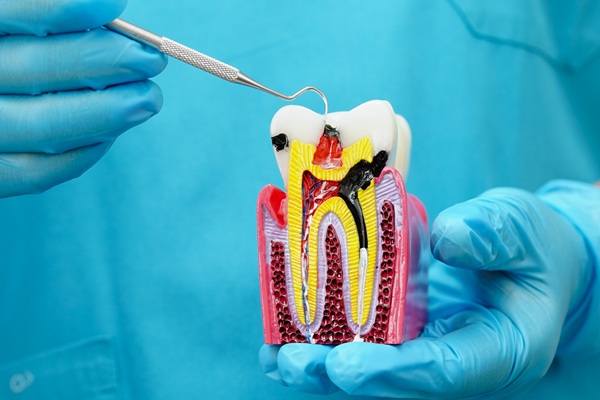
If you have suffered from a toothache, you know the pain can be severe. In some cases, the problem is inside your tooth. Endodontics could be the answer to your situation.
What is an endodontic procedure?
Brushing, flossing, and regularly visiting the dentist are vital steps to keeping your teeth healthy. Sometimes, however, your teeth need further care due to disease or injury. Endodontics can offer you some of the most advanced options for preserving your natural teeth and improving oral health. It is the dentistry branch associated with treating the soft dental pulp and tissue around the roots of your tooth.
Your dentist tries to save your natural teeth when you have problems in most cases. You can forego the difficulties that can come with tooth removal, such as:
- Other teeth shifting
- Trouble chewing
- Changes to your bite
Replacing a natural tooth with an artificial one can help counteract these issues, but the process requires additional dental visits. A dentist who performs endodontics can start treatment with methods that help preserve your teeth.
What is a root canal?
A root canal is a standard endodontic procedure. The pulp inside the tooth can become infected with bacteria from a severe cavity or an injury. During a root canal, the dentist opens the top part of the tooth and uses tools to get to the inside. Then the dentist clears away infected or damaged tooth pulp with small tools and files.
The dentist may use the files to reshape the inside of the tooth and root and use water to irrigate the area, removing any remaining infected pulp. The dentist may also use an antimicrobial solution to kill bacteria.
Once the previously infected area inside the tooth is clean, the dentist adds a material called gutta-percha. It has a rubbery consistency. A temporary filling covers the opening on your tooth until a crown is made.
When the crown is ready — usually within a few weeks — your dentist places it on top of the treated tooth. The dentist may ask you to return later for an X-ray to check the condition of the tooth.
A tooth treated with endodontics can last a lifetime. However, you need to care for it like you do untreated teeth. Brushing two or three times a day, flossing daily, and regularly visiting your dentist ensure your tooth stays healthy.
According to the European Journal of Dentistry, the success rate of endodontics ranges from 86% to 98%. However, sometimes a tooth does not heal properly after an endodontic procedure. In that case, your dentist may perform endodontic retreatment.
The dentist opens the tooth again, removing the gutta-percha and any infection inside the tooth. The area is cleaned and shaped, and new material is added. The dentist applies another temporary filling until a new crown is made. If the tooth cannot be saved, your dentist may recommend removing it. However, it is usually a last resort.
Conclusion
Endodontics has made it possible to save damaged teeth that were, at one time, routinely extracted. Endodontic procedures are common, safe, and widely successful today. If your dentist recommends endodontics, be sure to ask any questions you have. With endodontics, you should keep your natural tooth for years to come.
Request an appointment here: https://www.adlongdental.com or call Adlong Dental at (501) 406-0782 for an appointment in our Conway office.
Check out what others are saying about our dental services on Yelp: What is an Endodontist in Conway, AR.
Related Posts
Getting in a car accident, falling off your bike, or even just brushing up against something sharp can all result in a chipped tooth, which may not seem serious at first, but it's always best to get them treated by your dentist as soon as possible to prevent tooth decay and damage in the long…
Finding a kid-friendly dentist can transform dental care from a stressful task into a positive experience for young patients. This dental professional creates a warm, welcoming environment, making routine visits and cleanings enjoyable while teaching strong oral hygiene habits. Establishing a trusted relationship with a dental provider in a person's early life can lead to…
Dental emergencies can happen anywhere and at any time, so it is beneficial to have an emergency dentist. You should find a dentist before the need arises. Experiencing any dental emergency is bad enough without having to prolong the suffering and pain while looking for a dentist. No one wants to be in a position…
Minor chips, cracks, and gaps in the smile do not have to be permanent. Dental bonding is a quick yet durable way to repair teeth with these cosmetic imperfections. With natural-looking results and minimal preparation, bonding can support oral health and restore the smile to its prior radiance.Dental bonding is a cosmetic procedure in which…